
Comprehensive Guide to Thyroid Function Tests for Fatigue and Weight Gain
Do you struggle with fatigue no matter how much you rest? Are you gaining weight despite mindful eating and exercise? These are common signs that your thyroid gland—your body’s metabolic engine—might not be functioning optimally. In this comprehensive guide, we’ll walk you through the state-of-the-art thyroid function tests you can order online, how to interpret your results, and what steps to take next.
Why the Thyroid Plays a Central Role
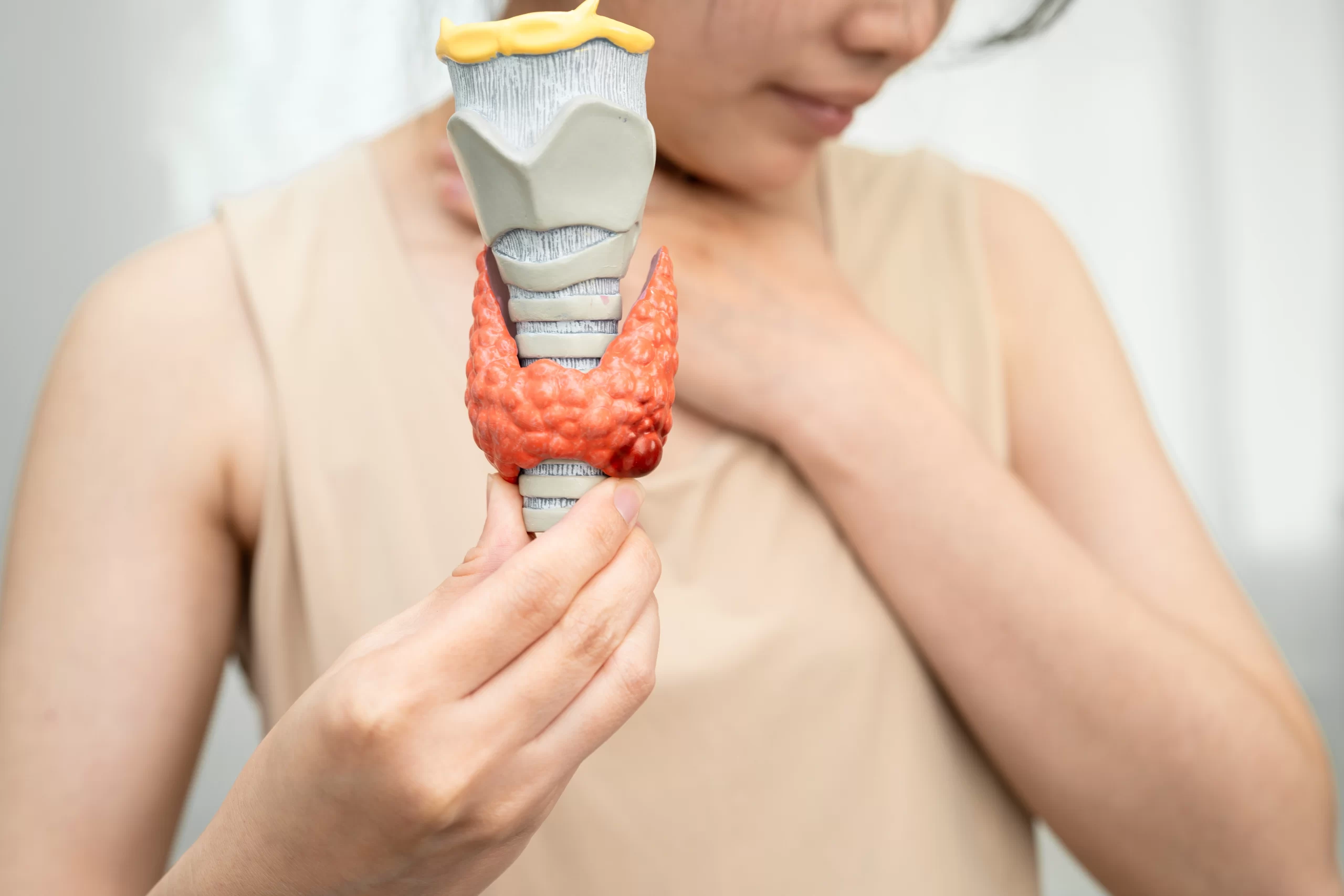
Your thyroid is a small, butterfly-shaped gland located at the front of your neck, but its influence extends throughout your entire body. Its hormones regulate metabolism, energy levels, heart rate, digestion, body temperature, and mood. When thyroid function is off—either too low or too high—symptoms can develop slowly and go unnoticed for months or years.
Hypothyroidism (an underactive thyroid) often leads to unexplained fatigue, weight gain, constipation, hair thinning, and cold intolerance. On the flip side, hyperthyroidism (overactive thyroid) might bring weight loss, nervousness, tremors, heat intolerance, and an elevated heart rate. Because these symptoms overlap with many other conditions, lab testing is critical to get clarity.
Core Thyroid Tests You Should Know
Below are the essential lab tests to evaluate thyroid function. Each provides a different piece of the puzzle:
- TSH (Thyroid Stimulating Hormone) – This is the standard initial screening test. High TSH typically indicates hypothyroidism (the thyroid is underactive), while low TSH suggests hyperthyroidism (the thyroid is overactive).
- Free T4 (Free Thyroxine) – Measures how much unbound T4 is circulating, reflecting the hormone your body can actually use.
- Free T3 (Free Triiodothyronine) – Because T3 is the active, cellular form of thyroid hormone, this test helps evaluate how well your body converts T4 into T3.
- Thyroid Peroxidase (TPO) Antibodies – Positive results may indicate autoimmune thyroid disease, such as Hashimoto’s thyroiditis or Graves’ disease.
- Thyroid Panel with TSH – A bundled test combining TSH and thyroid hormones to give a more holistic view in one order.
- Thyroid Stimulating Immunoglobulin (TSI) – This test can detect antibodies that overstimulate the thyroid—often present in Graves’ disease.
Interpreting Your Thyroid Results
Reading thyroid lab results requires context—your symptoms, medical history, and lab reference ranges all matter. Here’s a simplified chart:
- High TSH + Low Free T4: Suggests primary hypothyroidism (your thyroid can’t keep up with demand).
- Low TSH + High Free T4 and/or Free T3: Suggests hyperthyroidism (your thyroid is overactive).
- Normal TSH + Low Free T3: Could indicate conversion issues or “euthyroid sick syndrome.”
- Positive TPO or TSI Antibodies: Indicates an autoimmune thyroid condition contributing to dysfunction.
Note: Lab “normal” ranges are broad and some individuals feel symptoms even when they fall within the reference interval. Always consider lab results in concert with your clinical picture.
When to Use Advanced or Supplementary Tests
If your basic thyroid profile doesn’t yet explain your symptoms, or if you’re under treatment but still symptomatic, additional testing can provide clarity:
- Reverse T3 (rT3) – This is an inactive form of T3 that can compete with active T3 at cell receptors. Elevated rT3 is sometimes seen in chronic stress or illness.
- Parathyroid Hormone (PTH) – Thyroid and parathyroid are intimately linked in calcium regulation; this test helps assess bone health and metabolic balance.
- Iodine Urine Test (24-Hour) – Because iodine is crucial for thyroid hormone synthesis, this test can show if your body is iodine-deficient or overexposed.
- Thyroid Binding Globulin (TBG) – Measures protein that binds thyroid hormones; alterations may affect “free” hormone availability.
Check Your Thyroid Today
Don't guess why you're feeling tired—get clear thyroid testing now.
Order Thyroid Function Tests OnlineHow Often Should You Test?
If you have known thyroid disease, testing every 3 to 6 months is common, especially during medication adjustments. For people with symptoms but no diagnosis, checking annually or when symptoms change is reasonable. Because thyroid function can fluctuate—especially during stress, illness, or major life changes—retesting helps guide ongoing care.
What You Can Do to Support Thyroid Health
Lab results are only one piece of the puzzle. Here are evidence-based lifestyle and nutritional strategies that often support healthier thyroid function:
- Ensure adequate iodine intake (but avoid excess)—a balanced diet and iodized salt often suffice.
- Optimize selenium and zinc levels, which are needed for thyroid hormone conversion.
- Manage chronic stress (via meditation, sleep, or therapy) to reduce cortisol-driven suppression of thyroid activity.
- Avoid goitrogen overconsumption (e.g. raw cruciferous vegetables in extreme amounts) if you have low thyroid activity.
- Maintain a healthy gut and nutrient absorption—digestive issues can interfere with conversion of hormones.
The Bottom Line
Many people chalk fatigue and weight gain up to aging or lifestyle—but the thyroid could be the missing link. Armed with the right lab tests (TSH, Free T4/T3, antibodies, and more), you can reveal the true state of your thyroid and take targeted steps forward. Combining lab data with medical consultation and lifestyle adjustments gives you the best shot at restoring energy, metabolism, and wellbeing.